
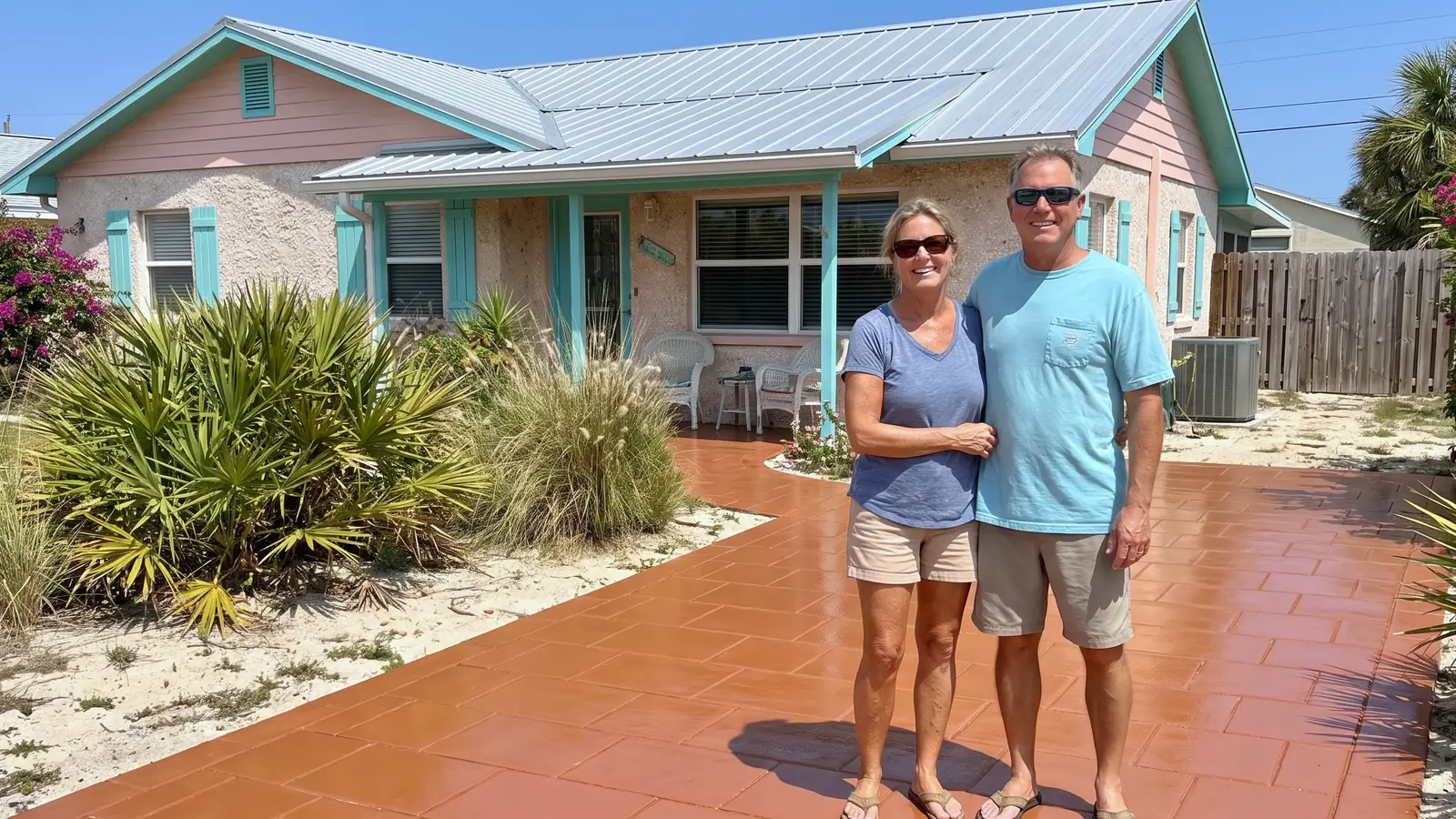
Paver sealing for Parrish homes
Paver Sealing in Parrish, FL
Parrish pavers can look new again, so call (941) 226-8326 for a free estimate from a local contractor.
- Brings out deeper paver color
- Fresh joint sand helps lock pavers in place
- Gives weeds less room to grow
- Makes the surface easier to keep clean
- Free estimate, no obligation
Request a Free Estimate
Free, no obligation.
Fast, careful paver sealing in Parrish
Paver sealing in Parrish is open to homes from the US 301 and State Road 62 crossroads out to the newer subdivisions. Estimates are free, and a local contractor handles the cleaning, sanding and sealing for driveways, lanais and pool decks. Call (941) 226-8326, and an answer should reach you within 1 business day, usually much sooner.
Say your builder's pavers are a few summers old and already look dull, with green threading through the joints. A wash, fresh sand and a first coat can bring back the color and slow that growth. Prefer to write first? You can ask for a free estimate and describe the driveway.
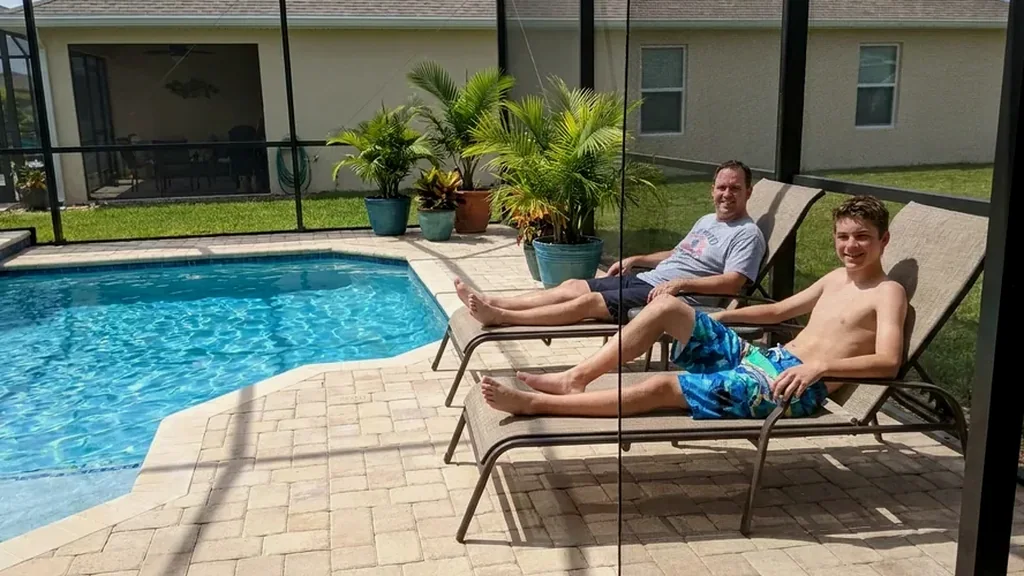
Why hire a local paver sealing contractor in Parrish?
Parrish was farm country until the late 2000s, so many homes here are newer and some pavers have never had a coat. A contractor who works the area can plan a first sealing, so ask for a free estimate and ask. The visit and the written price are free.
Look first, price in writing
A contractor measures your driveway, lanai and pool deck and puts the number on paper. You decide later, and nothing is owed for asking. That includes the lanai.
A range to hold bids against
Sarasota and Manatee companies publish about $1 to $3 a square foot to clean, sand and seal. Use that when quotes come in.
Built for a first coat
Newer pavers often need a wash, fresh sand and one first coat. The contractor can tell you which of the three your driveway needs. A short visit settles it.
Your finish, your date
Wet look or natural, this week or next month. The estimate does not lock you into anything, and the choice stays yours. A small test patch shows the look first.
Get Your Free Estimate in Parrish
Tell us about your pavers in Parrish.
Free, no obligation
What paver problems show up most in Parrish?
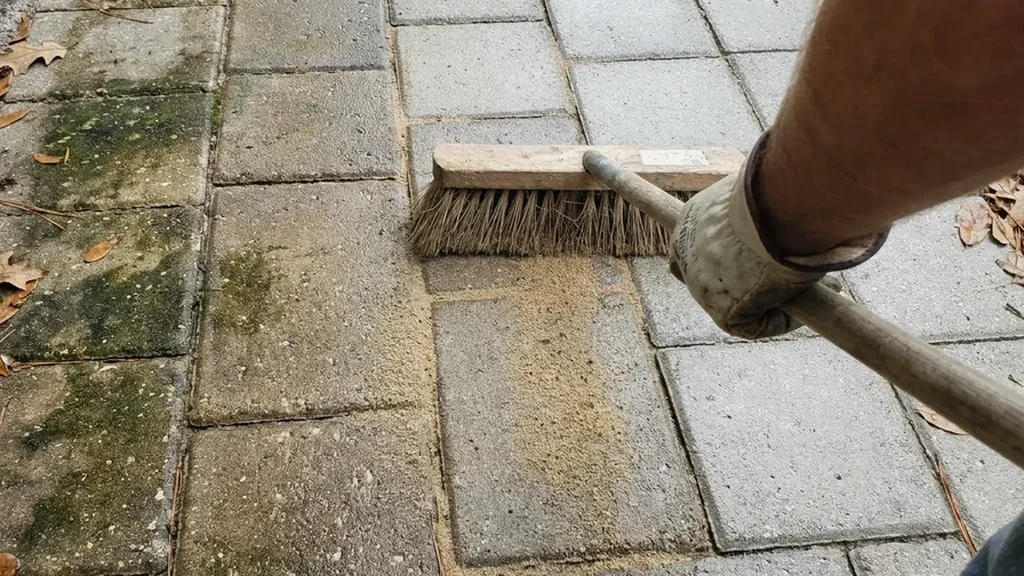
Algae on young pavers
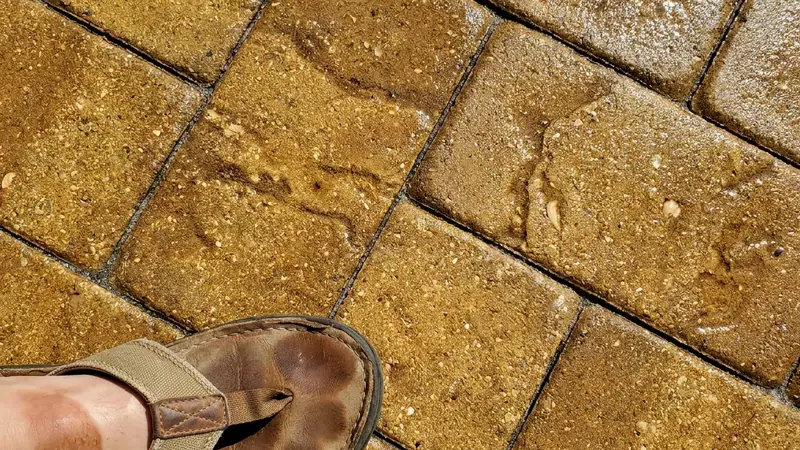
A Parrish exterior cleaning company says unsealed pavers start growing algae within months here. Rain helps it along, since the area averages about 54 inches a year and June, August and September are the wettest months. Green film on a walkway is a sign to wash soon. Sealing on top of it would only trap it under the coat. Early on, a wash is lighter work than a restoration, and the color holds up better. Look along the north edge of a walk, where the sun reaches least, to see it first. August averages 8.99 inches of rain and September 8.34, so late summer keeps pavers wet for long stretches.
Joint sand that runs off
The same company says joint sand washes out in the first heavy rain season. Florida's state soil, Myakka fine sand, drains fast through sandy layers, so water moves quickly and takes sand along. Gaps near the edges let weeds root and let pavers wobble. New sand goes back in right after the wash. A low joint is easy to spot as a dark line where the sand has dropped below the paver edge. Pool deck joints and the apron by the garage deserve the same check. Water runs off driveway edges, so the gaps along the border are where sand usually goes first.
Orange fans near the sprinklers
Most Florida well water is high in iron, the University of Florida says, and orange streaks often come from irrigation. On a Parrish lot that can mean rust fans across a driveway edge, a lanai slab or a walk beside the beds. It is treated while the pavers are being washed. A coat laid over it would hold the stain in. Fresh stains lift more easily than old ones, so point them out at the estimate. Lawn fertilizer near a walk can leave a similar mark, and the contractor looks for both.
Pavers that never got a coat
Parrish stayed a small farming town until the late 2000s, when farmland began turning into subdivisions. Homes from that building wave are not old, yet some were never sealed. A first coat goes onto a clean base more easily than a repeat coat goes over old buildup. The wash and the sand still come first. The contractor can tell at the estimate whether your pavers are bare, lightly coated or covered in old film. A clean first coat also gives you a baseline for timing the next one. A town that once shipped citrus and vegetables now has driveways to look after, and a clean first coat is a sensible place to start.
Scuffs on lanais and decks
A wet-look coat deepens color and shows scuffs sooner than a natural finish. Lanais and pool decks see furniture, wet feet and sunscreen week after week. Some owners keep the glossy look for the front walk and go natural by the pool. It is your call, and the contractor can show both. Matte also hides the small marks chair legs leave, which suits a lanai where furniture gets moved. The contractor can show you a small test patch of each finish before you choose.
Does paver sealing depend on which Parrish subdivision I live in?
Sometimes, since builders laid pavers in different years and styles. A Parrish exterior company lists Harrison Ranch, Forest Creek, North River Ranch, Bella Lago, Crosscreek, Rivers End, Silverleaf and Willow Bend among the places it serves. A newer home may need a first coat, while an older one could have a coat to strip. Name your subdivision when you ask for a free estimate.
The community spreads out from the corner of US 301 and State Road 62. Lake Parrish, a reservoir of about 3,560 acres built in the mid-1970s, sits just north of that road. Open lots dry fast and tree-covered lots stay damp, so exposure changes the plan. Call (941) 226-8326 and say how your lot sits.
Before it took Crawford Parrish's name, the area was known as Oak Hill, and farms filled the land around it. That history is why new streets can sit beside open fields. A driveway facing a pasture gets wind and sun, while one behind a fence line may not. Mention yours when you ask for a free estimate.
The weather numbers for Parrish are easy to read. It averages 54.43 inches of rain a year over about 99.7 days, with August, September and June the wettest months and November the driest. The mean annual daily high is 82.1 degrees, and the record high is 101. ask for a free estimate.
That pattern is why a sealing date here is picked for a dry stretch in the fall or spring. To talk through timing for your own driveway, call (941) 226-8326.
What does paver sealing cost in Parrish?
Companies in Sarasota and Manatee counties list about $1 to $3 per square foot to clean, sand and seal. Where a Parrish job lands depends on the area, the old coat if any, and how much sand the joints need. Lanai and pool deck footage is added to the driveway. For a number on your pavers, ask for a free estimate.
A first coat on newer pavers can cost less than stripping an old one, provided the surface is sound. Heavy algae or rust adds washing time, and a tight courtyard slows the work compared with an open drive. Call (941) 226-8326 to hear which of those fit your Parrish home before you book. Written quotes make that comparison easy.
| Paved area | Typical example | Clean, sand and seal |
|---|---|---|
| 300 sq ft | Small patio or walkway | $300 to $900 |
| 600 sq ft | Two car driveway | $600 to $1,800 |
| 1,000 sq ft | Large driveway or pool deck | $1,000 to $3,000 |
| 1,500 sq ft | Driveway plus pool deck | $1,500 to $4,500 |
Math based on the $1.00 to $3.00 per square foot that Southwest Florida paver companies publish. Your contractor sets the actual price after seeing the surface. Repairs, leveling and stripping failed sealer are usually extra.
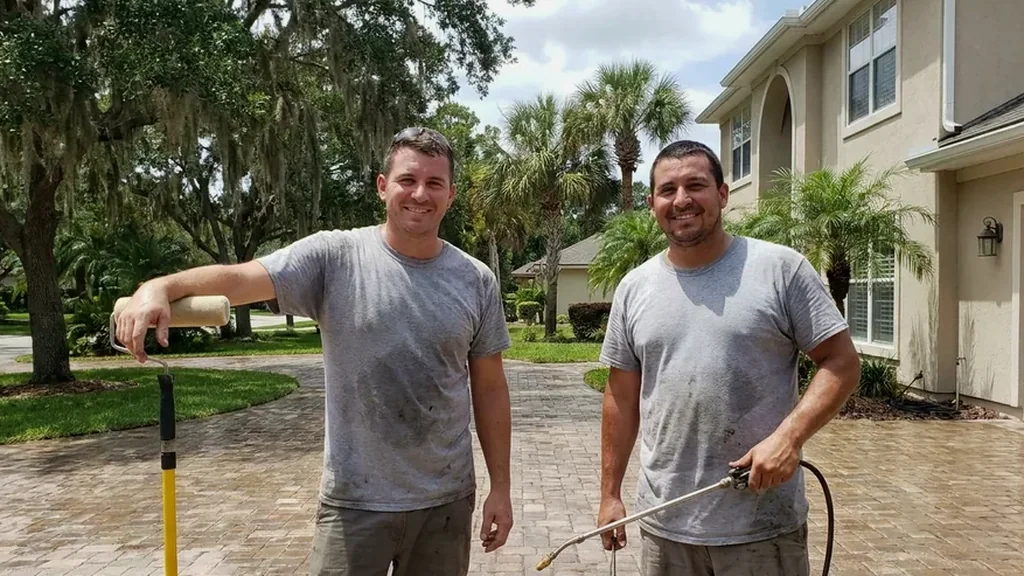
How does a paver sealing job work in Parrish?
Inspect and measure
The contractor measures each surface and checks for pavers that have sunk or lifted, since those are fixed first. Many Parrish homes have no coat at all, so part of the visit is simply confirming that. If a coat is there, its type decides which sealer can follow. The visit is free, and it gives you a measured square footage to compare against other bids. Photos of the worst patches help the estimate start in the right place.
Wash out the green and the rust
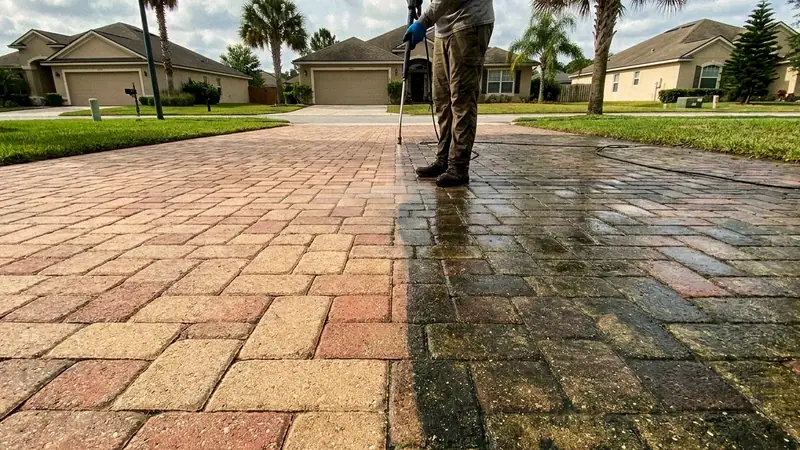
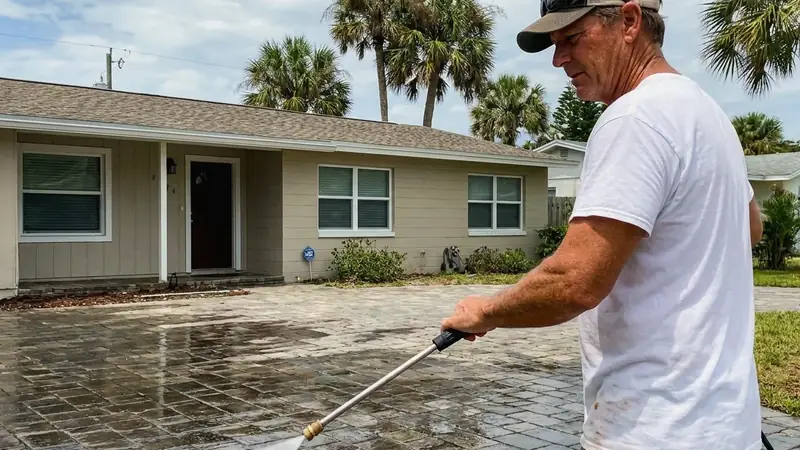
A cleaning pass lifts algae, dirt, oil and irrigation rust from the surface. Screens, shrubs and landscape lights are shielded or rinsed around with care. The goal is bare paver, because anything left on top ends up sealed under the coat. Stubborn rust or algae may need a second pass, and the contractor says so before moving on. Potted plants and furniture are moved first, so ask what you need to clear.
Sweep in new sand
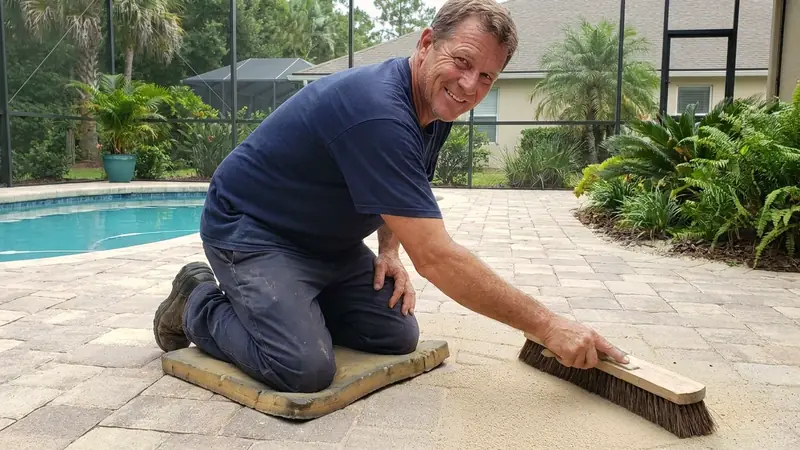
The wash carries joint sand away, so fresh sand is brushed in until the joints are full and the extra is swept off. Full joints steady the pavers and leave weeds less room. After a Parrish summer this step is worth as much as the coat. A second look after sweeping catches low joints before the coat hides them. Edges along the curb get the same care as the middle.
Give it time to dry
Parrish sees measurable rain on about 99 days a year, mostly in summer. The contractor reads the sky and holds off if the surface is wet, because sealer needs dry pavers. A shaded patio may take longer than a sunny drive. Clear days with a breeze help, and the contractor decides on the morning whether to start. The contractor will not seal over damp pavers, even when the schedule is tight. November is the driest month at 1.69 inches, so late fall tends to be the easiest stretch to get a dry surface.
Seal, then cure
A Sarasota company usually puts down two coats. You pick a wet look or a natural finish before work starts. The contractor tells you how long to stay off the surface and when cars can return. Tell the contractor if a party or delivery is coming, so the closed time lands on a quiet day. Cones or tape can mark the edge so nobody steps on the new coat.
Complete paver services in Parrish
A Parrish job runs in a set order: inspect, wash, sand, dry, seal. Each step sets up the next, so a coat never lands on dirt or damp. That sequence is what keeps the finish clear and even. If you want the timing for each stage for your lot, call (941) 226-8326.
Driveways, lanais and pool decks do not wear alike. Tires and heat press on the drive, damp shade breeds algae on walks, and pool decks soak up water and sunscreen. The contractor prices them as one job but treats each its own way. Tell them which you have when you ask for a free estimate.
Start the sealer decision with the old coat, since a water-based product will not bond to a solvent-based one. After that comes the look. A Southwest Florida company calls gloss shiny and natural look unchanged from what you have. Call (941) 226-8326 to talk through what suits your Parrish home.
Parrish rain peaks in June, August and September, and November is the driest month. Dry months open up the calendar, while summer dates can slip on a stormy day. Coats are typically quoted to last two to five years. To plan your next one, ask for a free estimate.
Questions to ask before you hire
- Will you send a written estimate that lists the square footage and the product?
- Will the same crew that washes my pavers also seal them?
- Which sealer do you plan to use on my pavers, and why that one?
- Does your insurance cover damage to my home or my pavers while you work?
- How do you protect my plants, pool screen and landscape lights from overspray?
- Can you match a gloss, satin or natural finish to what I have now?
- Does the quote include the wash, new joint sand and the sealer, or are some of those extra?
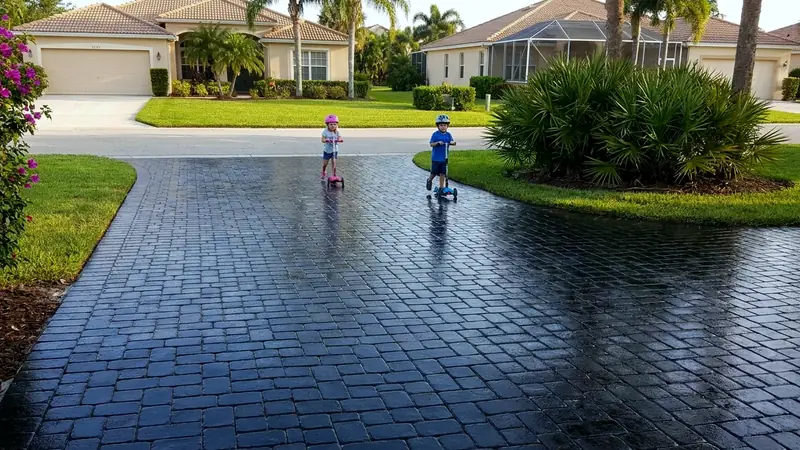
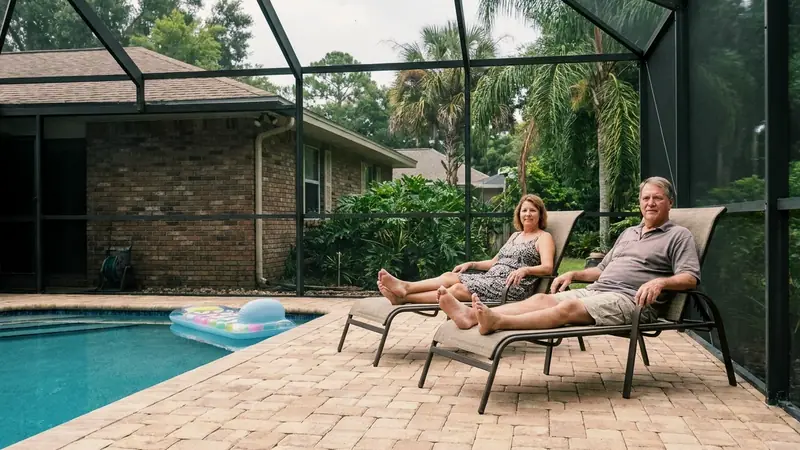
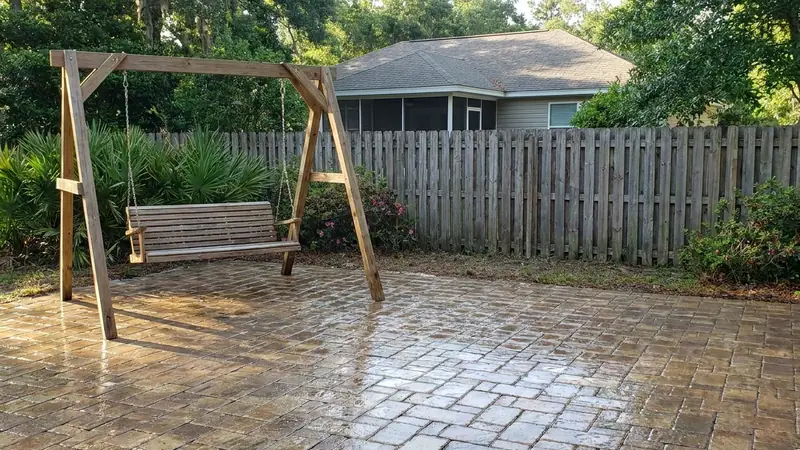
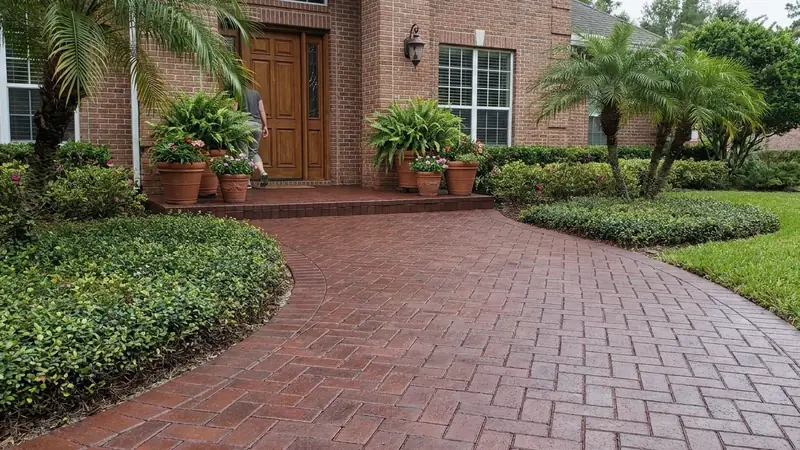
What do sealed pavers look like around Parrish?
Why local matters in Parrish
A contractor who works Parrish will ask your subdivision and the year the pavers went in. Those answers say whether to expect a first coat, an old coat or weeds already in the joints. Someone driving in from far away may skip those questions. To reach a local contractor, call (941) 226-8326.
Open land near the subdivisions changes the job too. Sun and wind reach some driveways all day and shade covers others, so drying times differ from lot to lot. A local contractor plans each day by the sky. You can ask for a free estimate and ask how scheduling would go on your street.
Parrish homes can sit miles apart, from the crossroads out to the newest streets. Travel time and gate access matter to the schedule, so give your address when you ask. That lets the estimate start from the right place. When you are ready, ask for a free estimate.
Where did the name Parrish come from?
The name comes from Crawford Parrish, a rancher and orange farmer from Georgia who bought land in the Oak Hill area in 1868 from William Turner, who had homesteaded it in 1865. William Hooker and William Johnson had planted sea island cotton there in 1850, and that plantation burned during the Seminole Wars. A post office opened in 1879 with one r, and the second r came back in 1950. If you live on that old farmland, ask for a free estimate.
Today you can visit the Florida Railroad Museum at 12210 83rd Street East, where volunteers run weekend trains six miles to Willow on a 1.5-hour round trip. Lake Parrish, a reservoir of about 3,560 acres built by Florida Power & Light in the mid-1970s, lies just north of State Road 62. Both are short trips from the crossroads of US 301 and State Road 62. Call (941) 226-8326 and tell the contractor your street.
Parrish has farm roots that run deeper than its subdivisions. A late 1930s Florida guide listed 721 people and called the place a citrus fruit and vegetable shipping center. It stayed a small farming community until the late 2000s, when farmland began turning into subdivisions. Call (941) 226-8326.
The Parish Post Office opened in 1879 with one r, and the spelling went back to Parrish in 1950. Newer streets here share a landscape with open fields, and the contractor can sort out which pavers are fresh and which have weathered for years once you ask for a free estimate.
Oak Hill has its own story. William Hooker and William Johnson founded the Oak Hill plantation in 1850 to grow sea island cotton, which did not succeed. The plantation burned during the Seminole Wars, yet the area kept the name Oak Hill. Parrish sits at 43 feet of elevation, and its record low is 18 degrees, so ask for a free estimate and name your subdivision.
Frequently Asked Questions
How much does it cost to have pavers cleaned and sealed in Parrish?
Budget about $1 to $3 per square foot to clean, sand and seal, a range Sarasota and Manatee companies publish. Area, old coat and joint sand decide where you land. A written quote should show the square footage and the product, with lanai and pool deck footage added to the driveway. The quote should also say whether sand and a top coat are included.
What does the average paver sealing job cost in Florida?
One Sarasota company says about $1 to $3 per square foot. Labor, materials and sealer type shift the final figure. Comparing two written quotes for the same footage tells you more than any average. Lining up two quotes on the same footage reveals more than any single figure.
How often do Florida pavers need sealing?
Coats are typically quoted to last two to five years. Parrish sun, summer storms and daily tires nudge a driveway toward the short end. A check once the color flattens helps you time the next coat. Write the date of each coat somewhere you will find it, so the next one is easy to time.
Is it a good idea to pressure wash pavers in Parrish?
Yes, as the opening step before sealing, with the sand replaced afterward. Washing carries joint sand away, and leaving the joints open invites weeds and shifting. A contractor chooses the pressure and method for your surface. Rinse water is aimed away from plants, screens and the house wall.
Which sealer works best on pavers in Florida?
No single product wins everywhere. What is on the pavers now and the look you want decide it. Water-based will not bond over solvent-based, so the old coat is checked first, then you pick a wet look or a natural finish. If a coat is already down, a quick check of its type saves a failed second coat.
When should I seal the pavers on a new home in Parrish?
A Parrish company says unsealed pavers grow algae within months here, so an early coat is worth asking about. Start with a wash and fresh sand. A contractor can tell you if yours are ready for the first coat. Sealing early also gives you a clean surface to protect, instead of a stained one to repair.
Does the Parrish climate shorten the life of sealer?
It can. About 54 inches of rain a year, mostly in summer, plus strong sun, wear on any coat. That is why the quoted span is a range and not one number, and why a shaded walk may outlast a sunny drive. Heavy shade and standing water after storms matter as much as sun. Parrish has logged highs near 101 degrees and lows near 18, and both put stress on a coat over the years.
How long until I can walk or park on newly sealed pavers?
Feet are usually fine within hours and cars wait about a day, though the sealer and weather change that. The contractor can give you the exact time for your product. Schedule furniture and cars around it. Ask what the first day looks like, so a delivery or a party does not cross the work area.
Ready for a Free Estimate in Parrish?
Call (941) 226-8326 and tell us about your pavers.
Free, no obligation